Decoding Automated Compliance Filters That Gatekeep Access to Layered Reward Tiers in Cross-Platform Digital Gaming Networks
Freya Meier · Aug 21, 2026
Decoding Automated Compliance Filters That Gatekeep Access to Layered Reward Tiers in Cross-Platform Digital Gaming Networks
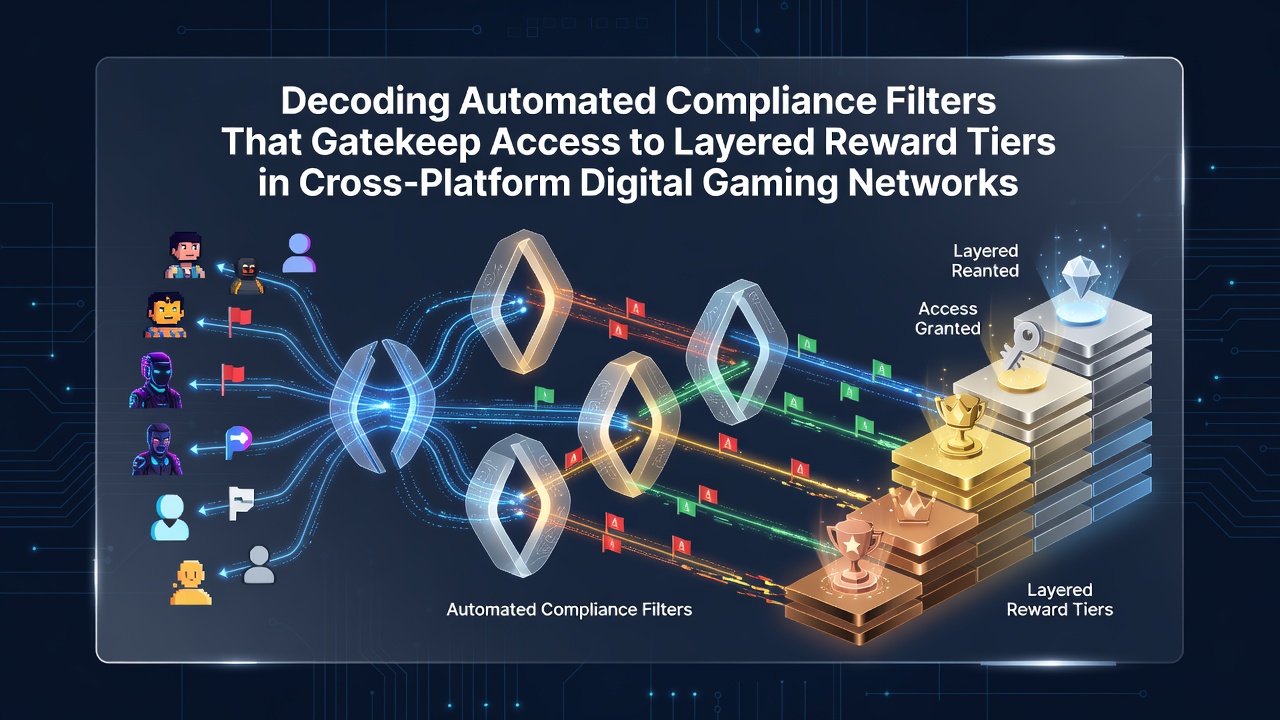
Automated compliance filters operate as gatekeepers in cross-platform digital gaming networks where layered reward tiers determine player progression and access to exclusive content; these systems scan user data against regulatory requirements before unlocking benefits such as premium cosmetics, accelerated progression paths, or seasonal event privileges. Developers integrate these filters into account management platforms that span PC, console, and mobile environments, ensuring that eligibility checks occur seamlessly during login sequences and transaction processes. Research from industry bodies indicates that such mechanisms have expanded significantly since 2024 as networks synchronize user profiles across multiple devices and jurisdictions.
How Compliance Filters Function in Gaming Ecosystems
Filters examine variables including age verification, geographic location, payment method validity, and account history before granting entry to higher reward tiers; the process begins with initial registration where algorithms cross-reference submitted details against databases maintained by regulatory authorities. When discrepancies arise the system flags the account for manual review or temporary restriction, which prevents unauthorized advancement through tiers that require verified status. Observers note that these checks intensify at tier boundaries because higher levels often involve real-world value exchanges or data sharing that trigger additional oversight protocols.
Cross-platform synchronization adds complexity since a player advancing on one device must maintain consistent compliance status when switching to another; networks employ centralized servers to log filter outcomes and propagate updates in real time. Data shows that latency in these updates can delay reward access for hours or days, particularly during peak usage periods when multiple regions submit simultaneous verification requests. Experts have observed that filter accuracy improves when networks incorporate machine learning models trained on historical compliance patterns from diverse user bases.
Layered Reward Structures and Access Requirements
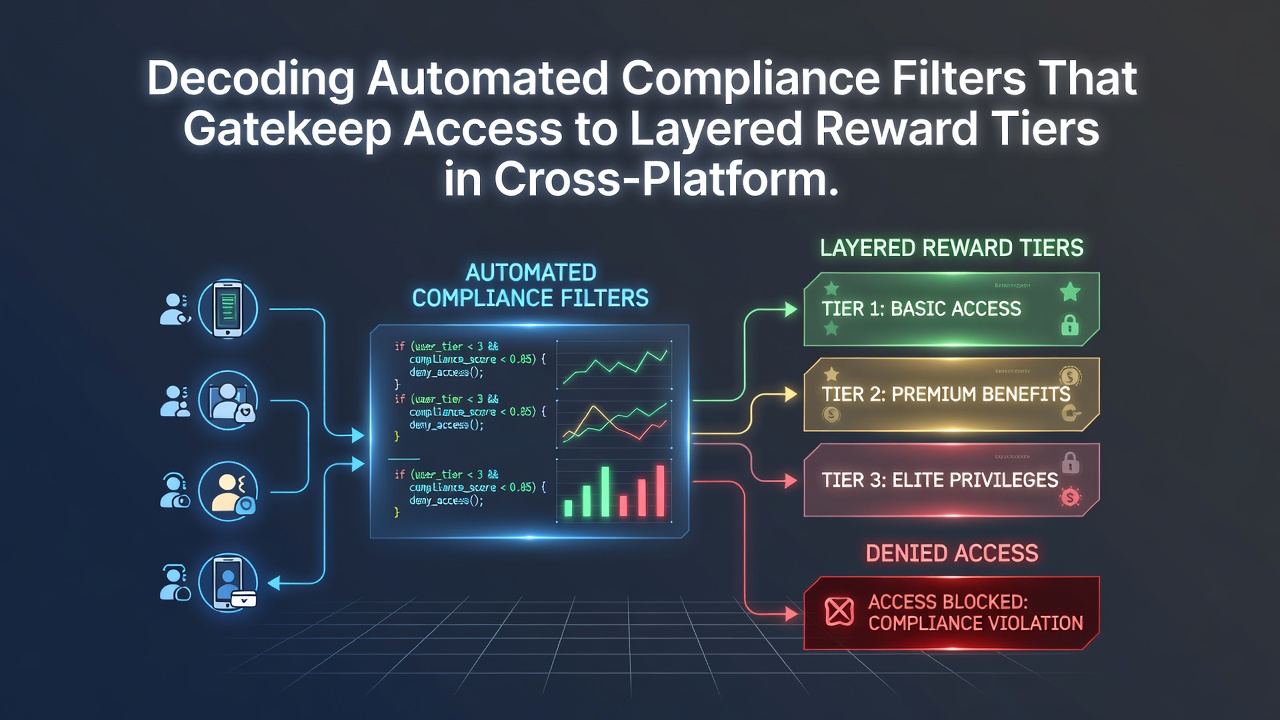
Reward tiers in these networks typically stack benefits progressively, starting with basic free-to-play incentives and advancing through paid subscriptions or performance milestones that unlock escalating privileges; each layer carries distinct compliance thresholds that filters enforce automatically. Lower tiers might require only email confirmation while mid-level access demands identity documents, and top tiers necessitate ongoing transaction monitoring to comply with anti-money laundering standards. Studies reveal that networks adjust tier thresholds seasonally to align with content updates, which forces filters to recalibrate eligibility criteria without disrupting active player sessions.
Regional Regulatory Influences on Filter Design
Regulations vary across regions and shape how filters prioritize certain checks, with some jurisdictions emphasizing consumer protection through strict age gates while others focus on data privacy during reward distribution. In August 2026, updates from Canadian digital service guidelines prompted several major networks to refine their location-based filtering to better accommodate cross-border play without violating provincial requirements. Similar adjustments occurred in Australian markets where classification standards influence which reward features become available to verified users. Those who've studied implementation patterns report that filters now incorporate region-specific rule sets that activate based on detected IP addresses and account registration countries.
Industry associations such as the Entertainment Software Association have documented how these regional differences affect network architecture, leading developers to build modular filter components that swap rulesets dynamically. The approach reduces downtime when regulations change and allows networks to maintain consistent user experiences across borders. Figures from European research institutions highlight that networks using adaptive filters experience fewer compliance incidents compared to those relying on static rule lists.
Technical Integration Across Platforms
Integration occurs through APIs that connect gaming clients to backend compliance engines, enabling real-time queries during reward redemption attempts; this architecture supports simultaneous validation across console, PC, and mobile interfaces while preserving session continuity. When a filter detects a potential violation it can pause progression on all linked devices until the issue resolves, which maintains consistency but sometimes interrupts gameplay flow. Researchers discovered that hybrid models combining rule-based logic with behavioral analysis achieve higher precision in identifying non-compliant accounts without over-flagging legitimate players.
Payment gateway partnerships further embed filters into transaction flows, where high-tier rewards tied to purchases undergo additional screening for fraud indicators and jurisdictional approval. Data indicates that networks processing millions of daily transactions rely on these layered validations to sustain trust metrics reported by players. Observers note that ongoing refinements in August 2026 incorporated faster verification pathways for returning users whose profiles already cleared prior checks.
Conclusion
Automated compliance filters continue to evolve as cross-platform digital gaming networks expand layered reward systems, balancing regulatory demands with seamless user progression. Reports from varied regulatory sources and industry analyses demonstrate that effective filter design hinges on modular architecture, regional adaptability, and integration with device-agnostic account systems. As networks prepare for future content cycles, the mechanisms that gatekeep reward tiers will likely incorporate additional data points to address emerging compliance challenges while supporting global player bases.