Decoding the Influence of Biometric Verification Protocols on Onboarding Efficiency Across Remote Wagering Systems
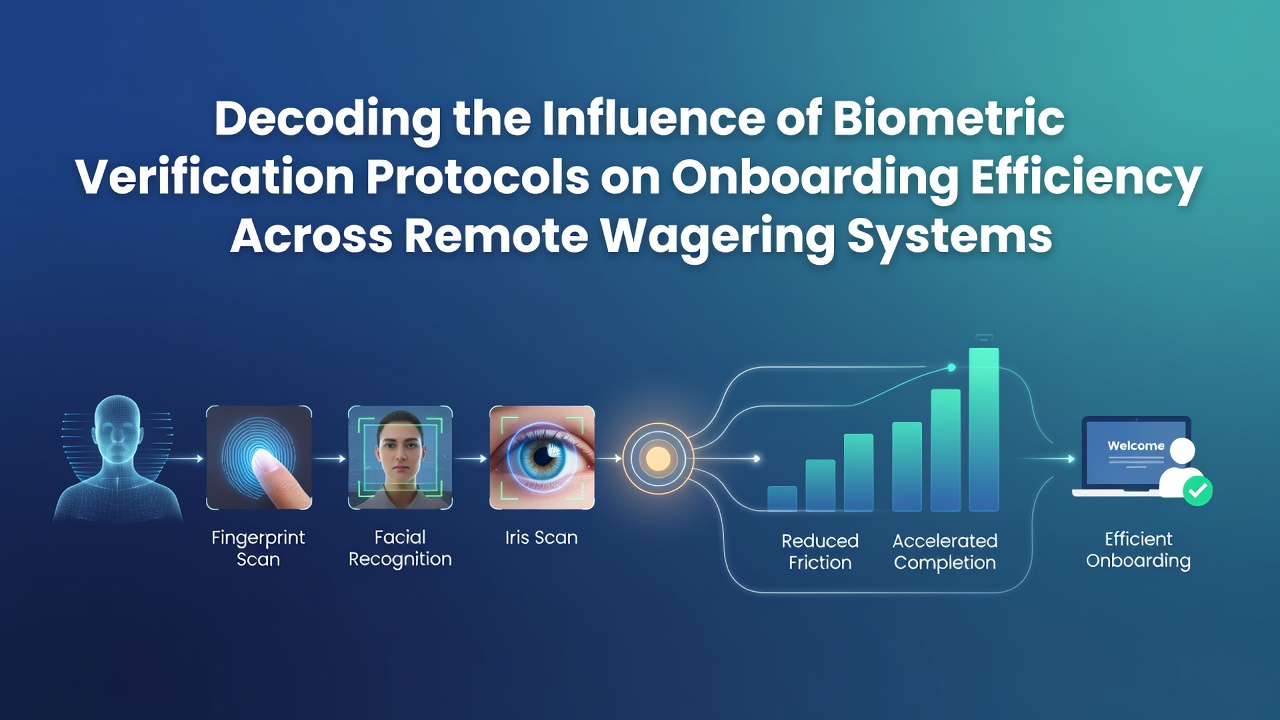
Remote wagering systems rely on verification steps that confirm user identity before granting access to betting platforms, and biometric protocols have emerged as tools that replace traditional document uploads with scans of fingerprints, facial features, or iris patterns. These methods connect directly to mobile devices and web applications where players complete registration in fewer stages, while operators track completion rates through automated systems that flag inconsistencies in real time. Data from regulatory filings shows that platforms adopting such protocols report shorter average onboarding durations compared to those using manual reviews alone.
Core Components of Biometric Protocols in Wagering Environments
Biometric verification incorporates hardware sensors on smartphones along with software algorithms that map unique physical traits into encrypted templates stored on secure servers rather than in raw image form. Facial recognition systems capture multiple angles during a live session to confirm the person matches the provided identification details, whereas fingerprint readers on devices provide quick matches against previously enrolled data. Researchers examining these systems note that liveness detection layers prevent static photo submissions by requiring subtle movements or light reflections that only a live subject can produce.
Integration occurs through APIs that link biometric data to know-your-customer databases maintained by gaming operators, allowing cross-checks against government-issued records without requiring users to resubmit paperwork for each new session. In jurisdictions where remote wagering operates under strict licensing, such as those overseen by the Malta Gaming Authority, operators must demonstrate that biometric templates meet data protection standards before deployment. This setup reduces repeated identity checks during account top-ups or withdrawal requests once initial onboarding succeeds.
Measured Effects on Registration Timelines and Completion Rates
Platforms that switched to biometric onboarding observed registration times drop from an average of 15 minutes under document-only processes to under three minutes when facial scans and device-based fingerprints handle primary verification. Completion rates increased because fewer users abandoned forms midway through lengthy manual reviews, according to aggregated operator reports submitted to oversight bodies. Studies tracking user behavior across multiple markets found that mobile-first wagering applications benefited most, since built-in sensors allow seamless capture without external hardware.

One operator that implemented iris scanning alongside standard facial verification reported a 40 percent rise in successful first-time registrations during a six-month rollout period ending in early 2026. The same system flagged duplicate accounts more effectively by comparing new biometric templates against existing records, which helped maintain compliance with single-account rules across state lines. Observers note that these efficiency gains appear most pronounced in markets where players access wagering sites through apps rather than desktop browsers, given the prevalence of biometric hardware on recent mobile devices.
Security Layers and Regulatory Alignment
Encryption standards applied to biometric templates ensure that even if a data breach occurs, the stored information cannot reconstruct original fingerprints or facial images for misuse. Operators must align these protocols with regional rules that govern personal data handling, including those enforced by bodies such as the Nevada Gaming Control Board for U.S. operations and the Malta Gaming Authority for European markets. Regular audits verify that matching algorithms maintain low false-accept rates while still processing high volumes during peak registration periods like major sporting events.
July 2026 saw several operators update their verification stacks to incorporate newer liveness detection versions that resist deepfake attempts more robustly, prompted by industry-wide testing initiatives. These updates coincided with broader adoption of multi-modal biometrics that combine two traits, such as face plus voice, to strengthen identity assurance without extending session times. Figures released by trade associations indicate that platforms maintaining updated protocols experienced fewer regulatory warnings tied to onboarding delays.
Operational Adjustments and User Pathway Changes
Support teams at wagering companies shifted focus from document verification troubleshooting to handling edge cases where biometric matches fail due to lighting conditions or device compatibility. Training materials now emphasize guiding users through scan retries rather than explaining upload requirements for passports or driver's licenses. Workflow diagrams used internally show that the sequence of steps shortened because biometric capture replaces separate identity document upload and manual review stages that previously ran in parallel.
Users who complete biometric onboarding once gain quicker access to features like live betting markets or progressive jackpot pools on subsequent logins, since the system retains the verified template under encrypted conditions. This pattern holds across both established markets and newer jurisdictions that legalized remote wagering in recent years, where operators prioritize rapid market entry through efficient registration flows.
Conclusion
Biometric verification protocols have altered onboarding sequences in remote wagering systems by substituting automated trait matching for extended manual processes, which produces measurable reductions in time and abandonment rates according to operator data. Continued alignment with evolving regulatory expectations and hardware advancements shapes how these systems perform across different regions, while maintaining the balance between speed and identity assurance required by licensing frameworks. Ongoing refinements in template security and liveness checks support further efficiency improvements as more platforms standardize these methods.