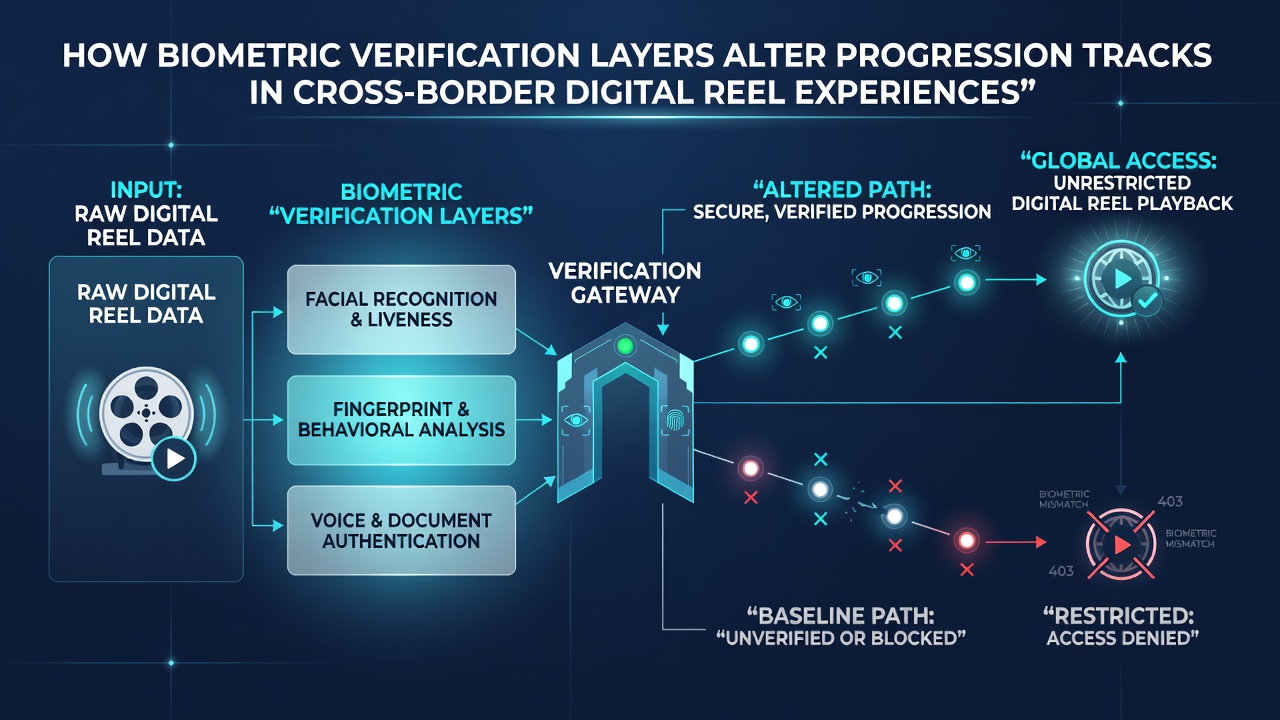
How Biometric Verification Layers Alter Progression Tracks in Cross-Border Digital Reel Experiences
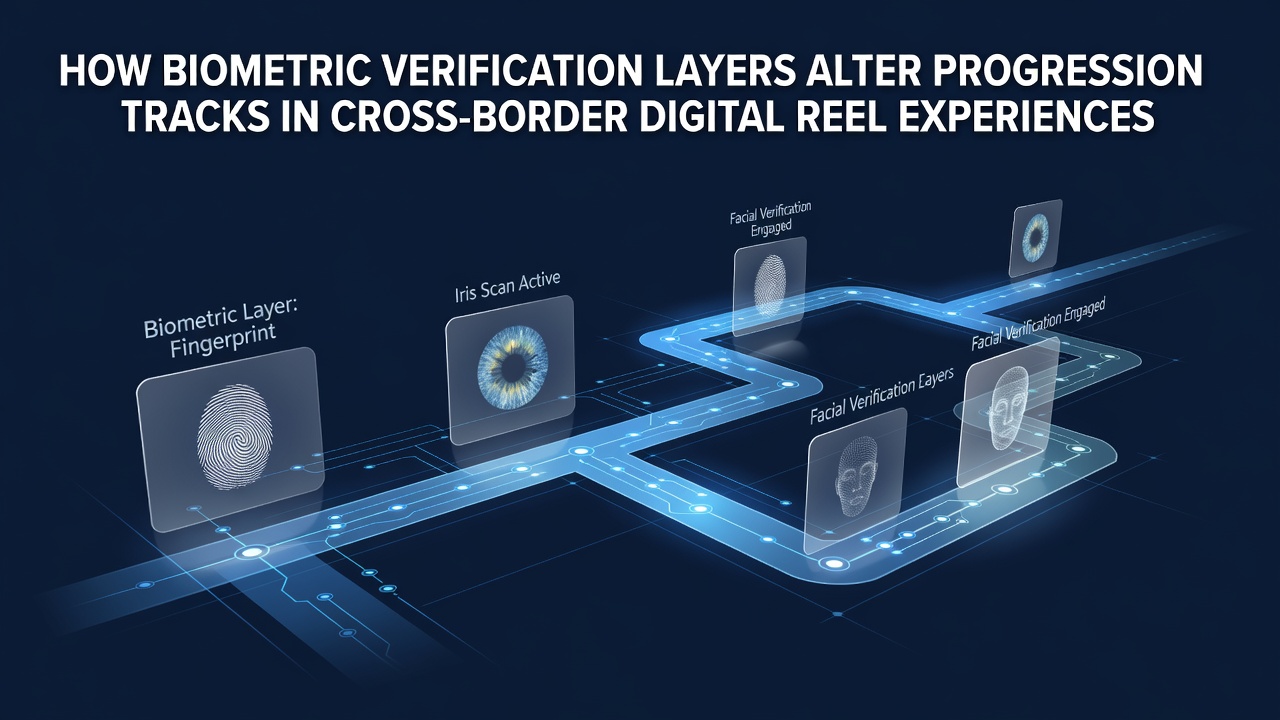 Biometric verification layers now shape how players advance through loyalty tiers and unlock features in cross-border digital reel platforms, and these systems tie directly into regulatory compliance requirements that differ sharply from one jurisdiction to another. Players encounter fingerprint or facial recognition prompts at key moments, such as when they attempt to claim tiered bonuses or move between regional game libraries, while the underlying technology records identity data that platforms use to enforce spending limits and age restrictions across borders. Data from industry reports indicates that verification checkpoints interrupt traditional progression sequences by requiring real-time identity confirmation before certain rewards activate. This process creates new pathways where verified users gain access to accelerated advancement tracks, whereas unverified accounts face delays or restrictions that slow their movement through levels. Researchers at various academic institutions have documented these shifts in player behavior patterns, noting that completion rates for multi-stage bonus sequences drop when biometric steps are inserted midway through a track.
Integration of Verification into Advancement Mechanisms
Platforms incorporate biometric checks at multiple points along a progression track, including initial account setup, milestone achievements, and cross-regional transfers of player data. When a user completes a set of reel challenges in one country and attempts to carry progress to another, the system demands fresh biometric validation to confirm continuity of the same individual. This requirement stems from rules enforced by bodies such as the Malta Gaming Authority and the Nevada Gaming Control Board, which mandate identity assurance to prevent account sharing and money laundering across international boundaries. The result appears in altered reward structures where certain high-value unlocks now sit behind verified-identity gates. Observers note that players who complete biometric enrollment early often reach VIP status faster because their activity logs remain uninterrupted, while others encounter repeated verification loops that reset partial progress. Figures released in June 2026 by several European operators showed a 22 percent increase in verified accounts moving through tiered programs compared with the same period the previous year.Cross-Border Regulatory Influences on Track Design
Different national frameworks impose distinct verification frequencies that directly affect how progression tracks function for international users. Australian authorities, for instance, require ongoing identity checks for players exceeding certain deposit thresholds, which forces platforms to insert biometric prompts at specific advancement stages. In contrast, some North American state regulators focus verification on initial onboarding and large withdrawals, allowing smoother progression once the first check clears. These variations lead operators to maintain separate track versions for different regions, and biometric layers serve as the switch that routes users onto the correct sequence. A player logging in from Canada might follow a condensed advancement path after facial recognition succeeds, whereas the same individual accessing the platform from within the European Union encounters additional checkpoints tied to stricter data-protection rules. Industry associations such as the European Gaming and Betting Association have published guidance documents that outline these routing mechanisms without prescribing specific technical solutions.