How Cross-Border Licensing Shifts Reshape No-Deposit Reward Structures in Portable Reel Entertainment Networks
Zara Carter · Aug 24, 2026
How Cross-Border Licensing Shifts Reshape No-Deposit Reward Structures in Portable Reel Entertainment Networks
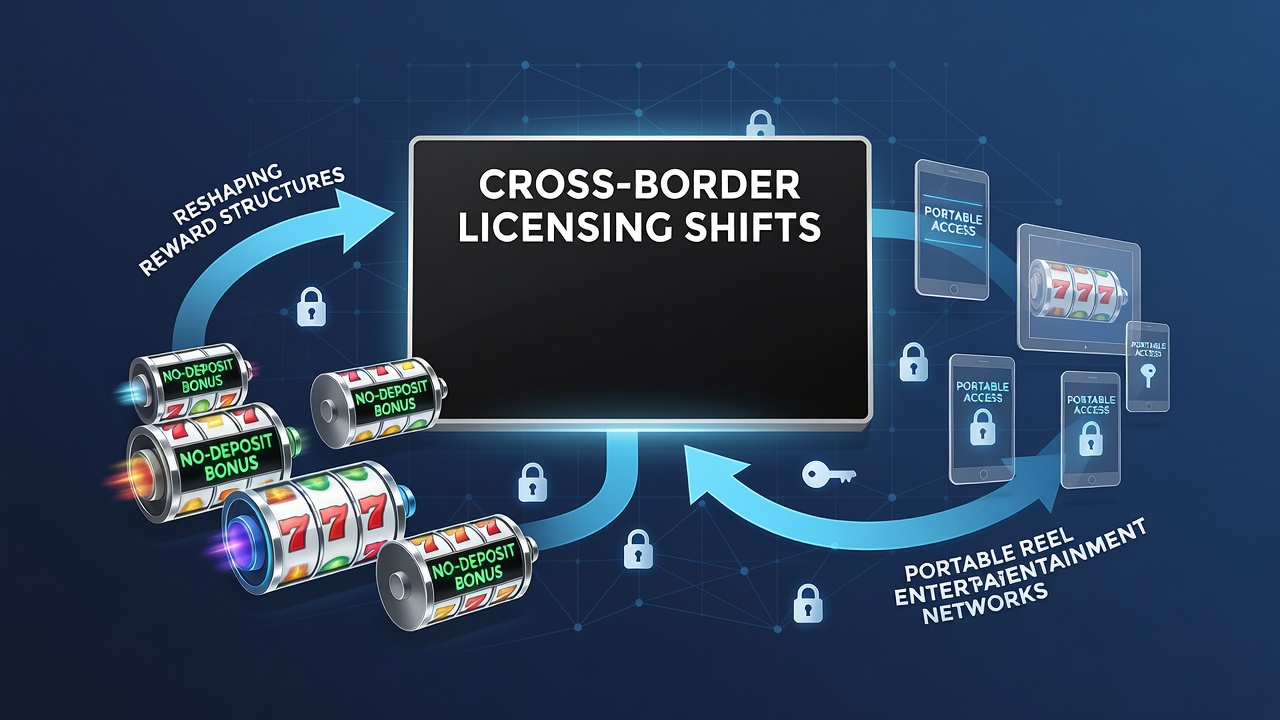
Regulatory adjustments in cross-border licensing have begun to alter how operators structure no-deposit rewards within mobile reel platforms, particularly as jurisdictions update mutual recognition agreements and compliance requirements during the summer of 2026.
Regulatory Frameworks and Their Influence on Portable Systems
Operators now navigate licensing regimes that span multiple territories, where each authority imposes distinct conditions on bonus distribution and player eligibility; data from industry monitoring bodies shows these conditions directly affect the size and availability of entry-level incentives on smartphone applications. In August 2026 several European and North American regulators coordinated updates that require clearer disclosure of cross-jurisdictional terms, prompting networks to recalibrate free-spin allocations and cashback thresholds accordingly.
Those who track licensing records note that platforms licensed under multiple authorities must align reward mechanics with the strictest applicable rule set, which often reduces the number of no-deposit spins offered to users in certain regions while expanding eligibility verification steps for others. This alignment process relies on automated compliance tools that flag any mismatch between a player's location and the operator's permitted bonus parameters.
Technical Adjustments in Mobile Reel Networks
Portable entertainment systems integrate geolocation and licensing databases in real time, so reward structures update automatically when a user crosses regulatory boundaries; researchers at several gaming technology institutes have documented how these updates change the frequency of no-deposit offers displayed within a single session. Developers embed conditional logic that pauses or modifies bonus activation sequences depending on the active license, ensuring that users receive only those incentives permitted under the governing authority at that moment.
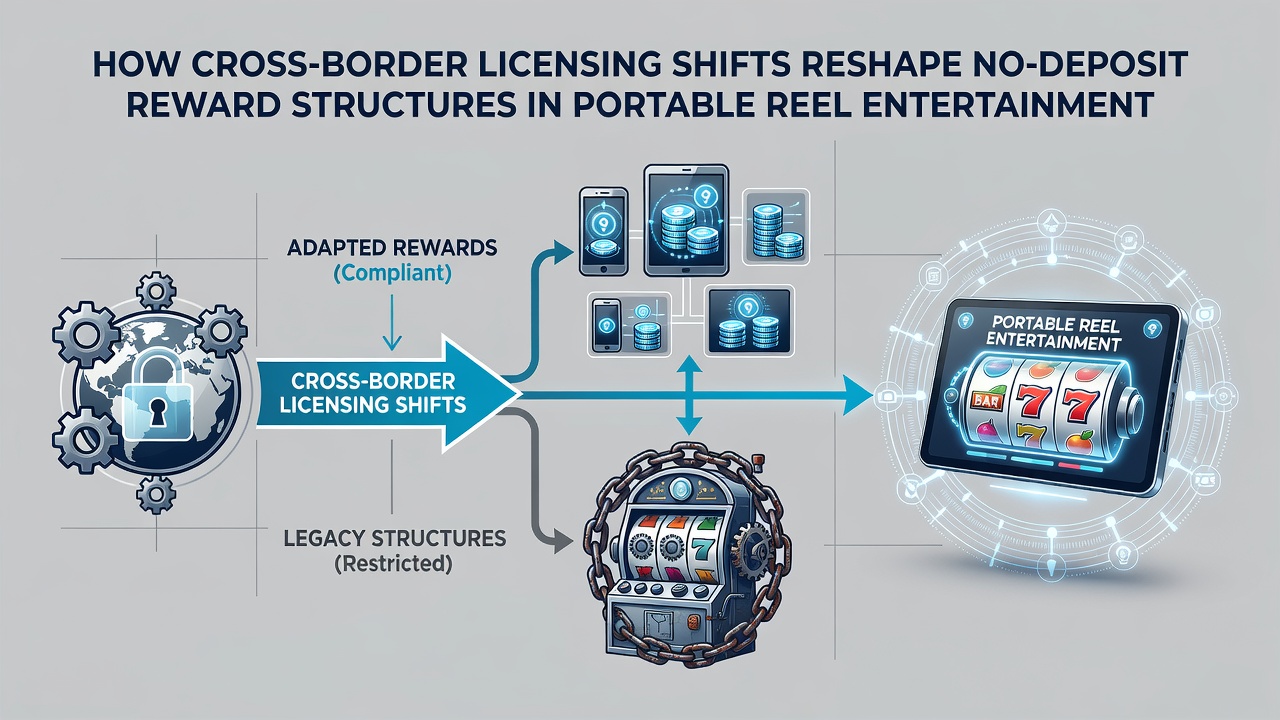
One engineering team at a major platform provider reported that integration of dynamic licensing checks reduced unauthorized bonus claims by 27 percent in the first quarter after implementation. The same systems also adjust wagering requirements attached to no-deposit rewards, applying the most conservative multiplier when multiple jurisdictions overlap.
Player Verification and Reward Eligibility
Verification protocols now tie account status to licensing jurisdiction rather than simple geographic coordinates, which means players may see different no-deposit reward menus even when using the same device on different networks. Industry reports compiled by the European Gaming and Betting Association indicate that operators have expanded identity checks to include license-specific data points, such as proof of residency tied to an approved authority, before releasing free credits or spins.
Additional layers appear in the form of time-limited offers that expire when a player enters a territory with stricter rules, forcing the platform to revoke or convert pending rewards to maintain compliance. Observers note that these mechanics create smoother user experiences for those who remain within a single licensed zone yet introduce friction for frequent travelers.
Market Data and Distribution Patterns
Figures released by the New Jersey Division of Gaming Enforcement for teh period ending July 2026 reveal that mobile platforms operating under multi-jurisdictional licenses adjusted their no-deposit reward budgets by an average of 18 percent compared with the previous year. Similar patterns appear in Canadian provincial reports, where operators cite licensing harmonization efforts as the primary driver behind reduced free-play allocations in certain provinces.
These shifts concentrate reward value in markets where licensing conditions permit higher incentive levels, while other regions receive more conservative structures focused on smaller, more frequent offers that comply with local caps. Network analytics further show that conversion rates from no-deposit rewards into active play remain stable despite the changes, suggesting that recalibrated structures still achieve operator objectives under the new rules.
Conclusion
Cross-border licensing updates continue to drive measurable changes in how no-deposit rewards appear and function across portable reel entertainment networks, with operators relying on automated compliance systems to maintain consistency. As regulators refine mutual recognition standards, reward mechanics will likely undergo further refinement to balance player access with jurisdictional requirements.