Mapping Connections Between Transaction Encryption Standards and Advancement Sequences in Portable Virtual Entertainment Applications
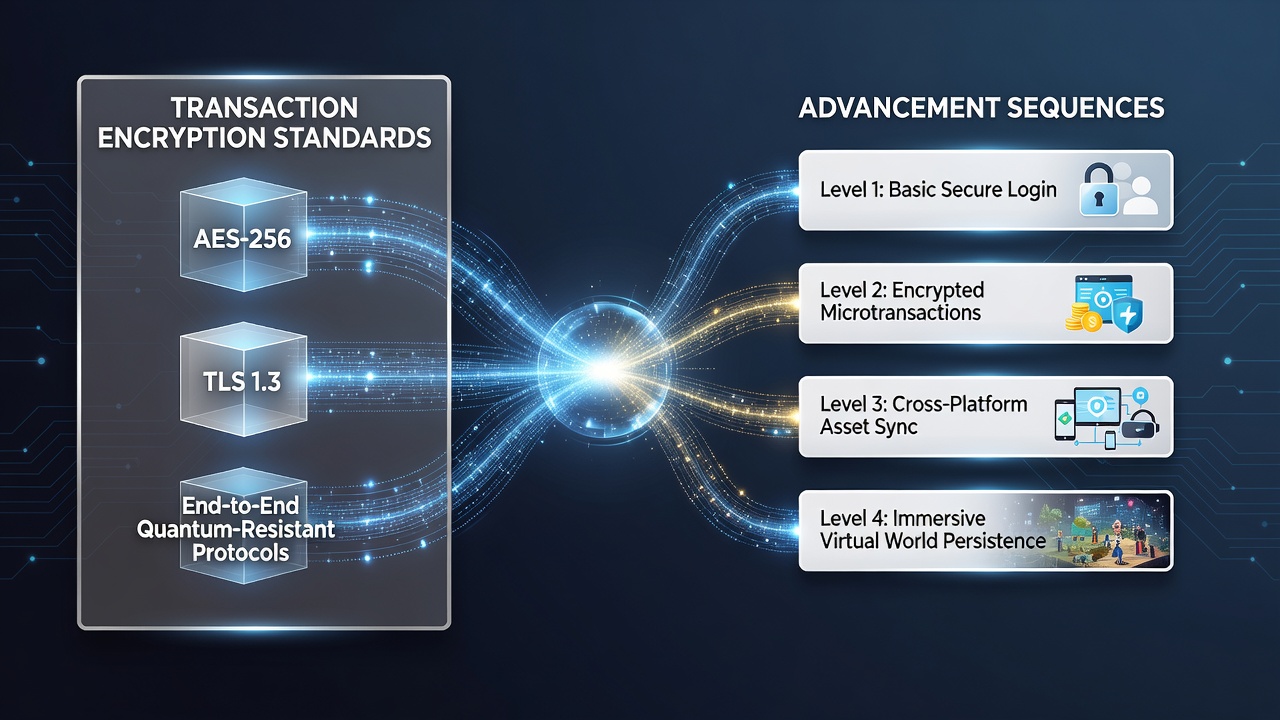
Transaction encryption standards establish the foundation for secure data exchanges in mobile applications, while advancement sequences define the structured progression users follow as they unlock features, complete challenges, and accumulate rewards within portable virtual entertainment platforms. Researchers have mapped direct links between these elements because encrypted transaction protocols often govern how progress data gets validated, stored, and synchronized across devices. Standards such as AES-256 and TLS 1.3 protect payment details during in-app purchases that frequently trigger the next stage in an advancement sequence, ensuring that level unlocks or achievement records remain tamper-proof.
Core Components of Transaction Encryption in Mobile Environments
Encryption protocols operate through layered mechanisms that authenticate users, scramble sensitive information, and verify transaction integrity before any advancement data updates occur. Mobile applications rely on these protocols to handle microtransactions tied directly to sequence milestones, such as purchasing virtual currency that advances a player through subsequent tiers. Data from industry reports indicates that applications implementing end-to-end encryption experience fewer instances of fraudulent progress manipulation compared to those using weaker methods.
Standards bodies including the National Institute of Standards and Technology publish guidelines that developers follow when integrating encryption into payment gateways. These guidelines specify key lengths, cipher suites, and session management practices that align with the real-time requirements of advancement tracking systems. When a user completes a purchase that unlocks the next sequence stage, the encrypted channel confirms the transaction before the application server records the updated progress state.
Advancement Sequences and Their Technical Dependencies
Advancement sequences consist of ordered milestones that applications present through visual indicators, reward structures, and gated content releases. These sequences depend on secure back-end verification to prevent users from bypassing stages through unauthorized means. Portable entertainment platforms store sequence data in encrypted databases, where transaction logs serve as proof of legitimate progression triggers.
Developers design sequence logic to query encrypted transaction records before granting access to new levels or items. This integration ensures that only verified purchases or completed challenges advance the user state. Studies conducted by academic institutions across North America and Europe have examined how sequence interruptions occur when encryption handshakes fail during high-traffic periods, highlighting the need for robust protocol implementation.
Direct Connections Between Encryption Protocols and Sequence Integrity
The mapping between encryption standards and advancement sequences becomes evident when examining API endpoints that manage both payments and progress updates. Each advancement trigger typically initiates an encrypted transaction call that validates funds or rewards before the sequence proceeds. This creates a closed loop where compromised encryption directly threatens sequence accuracy.
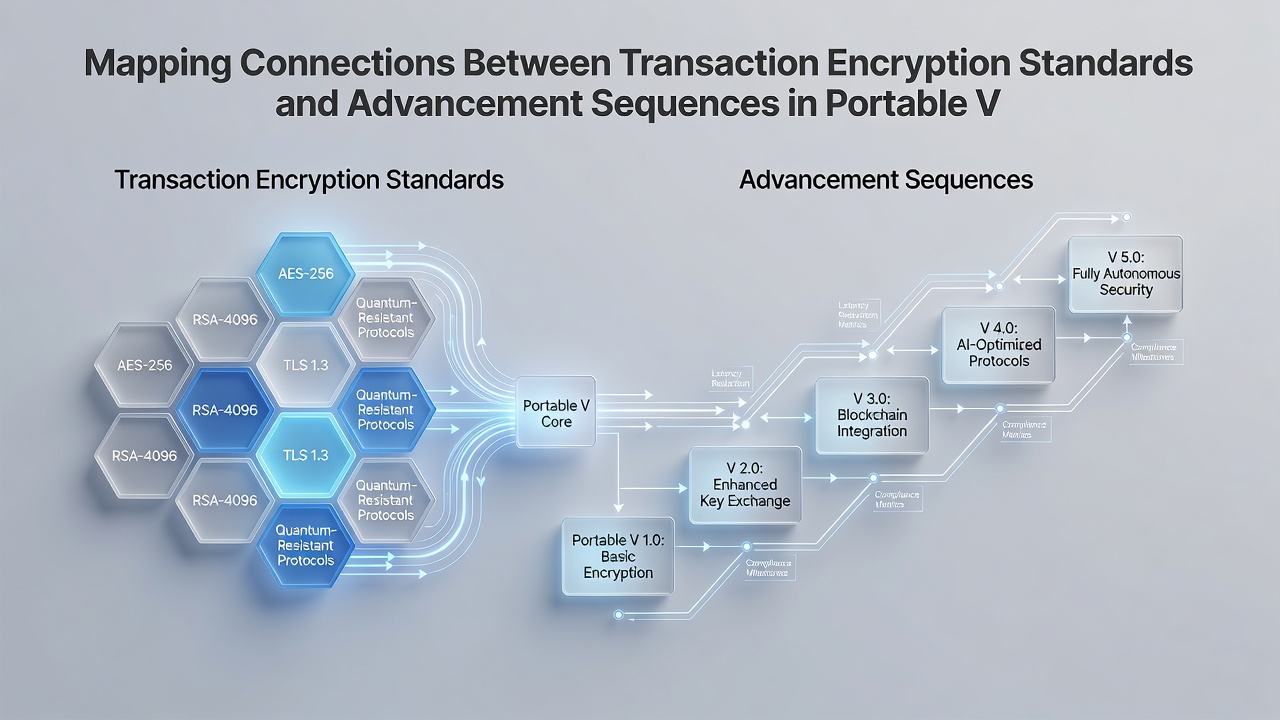
Applications that synchronize sequence data across multiple devices must maintain consistent encryption across all endpoints to avoid desynchronization. In June 2026, several major platforms updated their encryption implementations to support newer key exchange methods, which in turn stabilized advancement tracking during cross-device play sessions. Observers note that these updates reduced error rates in progress restoration following network interruptions.
Implementation Patterns Across Regional Markets
Regional regulatory frameworks influence how encryption standards intersect with advancement mechanics in portable applications. European developers often align with ENISA recommendations when designing transaction flows that feed into sequence engines, while Canadian platforms reference guidance from the Office of the Privacy Commissioner to handle user data during progression events. These varied approaches produce different technical architectures yet share the common requirement that encryption must precede any advancement record modification.
Industry organizations such as the Interactive Games and Entertainment Association have documented case examples where sequence-based reward systems failed due to inadequate encryption during peak transaction volumes. Those cases prompted broader adoption of certificate pinning techniques that strengthen the connection between payment verification and progress unlocking.
Future Trajectories for Integrated Systems
Emerging standards continue to shape how transaction encryption supports increasingly complex advancement sequences in mobile entertainment applications. Quantum-resistant algorithms under development at multiple research centers promise to extend the lifespan of current security measures while maintaining seamless sequence functionality. Developers who monitor these developments position their platforms to handle larger transaction loads without disrupting user progression paths.
Conclusion
Transaction encryption standards and advancement sequences in portable virtual entertainment applications function as interdependent systems where secure payment validation enables reliable progress tracking. The connections manifest through encrypted API interactions, database protections, and compliance with published technical guidelines. Continued alignment between these domains supports stable platform operation as mobile applications evolve their progression mechanics and transaction capabilities.