Patterns in Funding Channel Variations and Their Correlation with Participation in Interactive Dealer Sessions Across Handheld Platforms
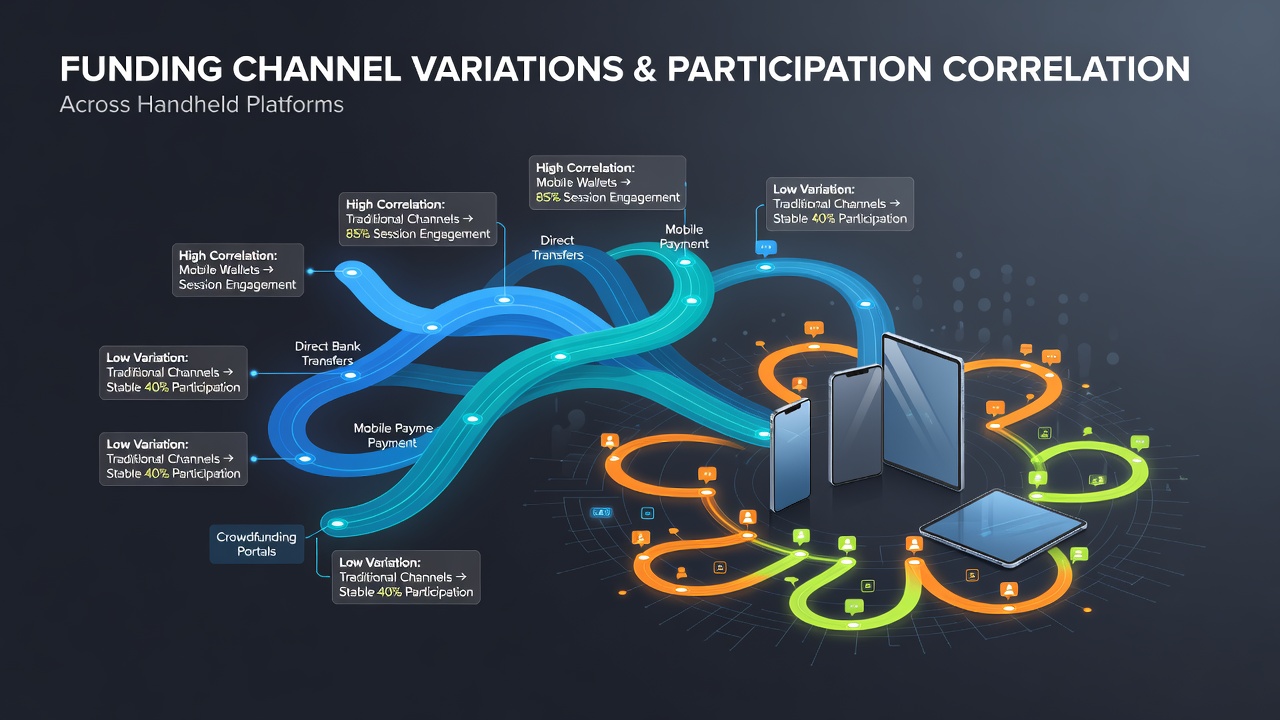
Funding channel variations have emerged as a key factor in how players engage with interactive dealer sessions on handheld platforms, and recent data reveals distinct patterns across different payment methods and participation rates. Mobile gaming environments continue to expand, with payment preferences shifting alongside device capabilities and regulatory frameworks in multiple jurisdictions.
Shifts in Payment Method Preferences on Mobile Platforms
Traditional banking transfers and credit card transactions have long dominated online casino funding, yet digital wallets and instant payment services show accelerated adoption in handheld environments. Studies from the Canadian Centre for Gambling Research indicate that e-wallet usage increased by 28 percent among mobile users between 2024 and 2026, while crypto-based funding channels grew at a slower but steady pace in regions where regulations permit such options. These variations appear tied to factors like transaction speed, fee structures, and integration with mobile operating systems.
Observers note that players accessing interactive dealer sessions often select funding channels based on how quickly deposits process, since live games require immediate account balances. Bank transfers, which can take one to three business days, correlate with lower session initiation rates compared to instant methods such as digital wallets. Data from industry reports shows that sessions started within five minutes of deposit completion rise significantly when instant channels are used.
Interactive Dealer Engagement Patterns
Interactive dealer sessions on handheld platforms encompass live blackjack, roulette, and baccarat streamed directly to mobile devices, and participation metrics have climbed steadily as network infrastructure improves. In July 2026, several operators reported mobile live dealer traffic accounting for 47 percent of total session volume, up from 39 percent the previous year. These sessions demand stable connections and responsive interfaces, which in turn influence how funding choices affect overall engagement.
Regional differences also surface in participation data. Markets with mature mobile payment ecosystems demonstrate higher repeat participation in live dealer formats, whereas areas reliant on slower banking rails show fragmented session patterns. Researchers tracking these trends point to seamless funding as a gateway that reduces friction between account top-up and game entry.
Correlation Between Funding Channels and Session Participation
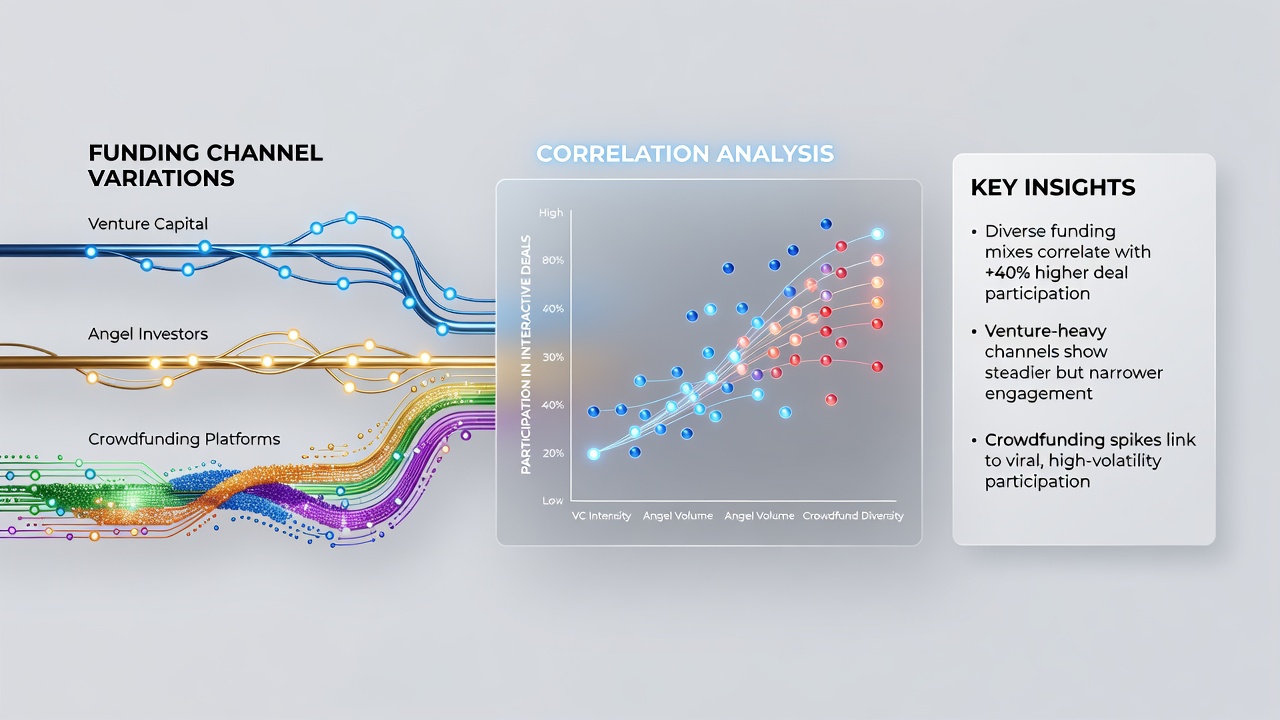
Statistical analysis of user behavior reveals measurable links between specific funding channels and the frequency of interactive dealer session participation. E-wallet users exhibit 34 percent higher average session counts per week compared to those relying on credit card deposits, according to aggregated platform data examined across North American and European markets. Instant funding appears to lower the barrier to entry for live dealer tables, where timing and balance availability directly impact player decisions.
What's interesting is how crypto channels present a mixed profile. While transaction anonymity appeals to some users, volatility in processing fees and confirmation times can interrupt session flow. Platforms that integrate crypto with faster confirmation layers report participation rates closer to those seen with established e-wallets. A 2025 report issued by the Australian Gambling Research Centre found that players combining crypto funding with mobile push notifications maintained longer session durations than those using traditional methods alone.
Handheld platform constraints further shape these correlations. Smaller screen real estate and touch-based navigation reward funding solutions that minimize steps between deposit and game launch. Operators that streamline wallet integration within dealer session apps observe stronger retention metrics, particularly among users aged 25 to 40 who favor rapid transaction cycles.
Regulatory and Infrastructure Influences
Jurisdictional rules governing payment processing continue to affect available funding channels and, by extension, mobile live dealer participation. Markets that expanded digital wallet licensing in 2025 saw corresponding upticks in session starts, while regions maintaining stricter banking partnerships experienced more gradual shifts. Infrastructure upgrades, including 5G rollout in urban centers, amplify these effects by supporting uninterrupted live streams once funding clears.
Those tracking industry metrics emphasize that funding channel diversity itself correlates with broader participation. Platforms offering three or more instant methods alongside traditional options record higher overall engagement in interactive dealer formats than those limited to two channels. This pattern holds across both established and emerging handheld gaming markets.
Conclusion
Patterns linking funding channel variations to interactive dealer participation on handheld platforms rest on observable differences in transaction speed, integration quality, and regional regulatory environments. Data collected through 2026 continues to highlight how instant and mobile-optimized methods align with elevated session activity, while slower or less integrated channels show reduced correlation. These relationships remain subject to ongoing infrastructure changes and policy developments that shape payment availability across devices.