Regional Banking Policies Shape Encrypted Wallet Pathways for Unlocking Tiered Rewards in Portable Slot Ecosystems

Regional banking policies have begun directing the development of encrypted wallet systems that enable access to tiered rewards within mobile slot environments, and data from mid-2026 shows measurable shifts in transaction flows across several jurisdictions. Regulatory frameworks in Asia and North America continue to adjust encryption standards, which in turn alters how players progress through reward tiers on portable devices. Observers note that these changes coincide with updates released in June 2026 by multiple oversight bodies tracking digital payment security in gaming sectors.
Encrypted wallets now serve as gateways that verify compliance with local banking rules before releasing progressive bonuses or loyalty multipliers. In markets where capital controls remain strict, wallet providers must embed region-specific authentication layers that confirm transaction origins and destinations. This process directly affects the speed at which users unlock higher reward brackets, since each tier often requires proof of compliant fund movement. Research from academic institutions indicates that jurisdictions with clearer digital asset guidelines experience faster integration cycles between banking systems and gaming platforms.
Policy Variations Across Major Regions
Different regulatory approaches produce distinct wallet architectures. Singapore's framework, administered through the Monetary Authority of Singapore, requires multi-signature encryption for any wallet handling cross-border gaming transfers, and this requirement has prompted developers to create modular compliance modules that activate automatically based on user location. In contrast, several Canadian provinces apply lighter encryption thresholds yet mandate detailed reporting on reward distribution patterns, leading to wallet designs that prioritize audit trails over speed.
European Union directives on electronic money institutions continue to influence similar standards outside the bloc, where operators adapt wallet pathways to satisfy both local and international banking expectations. Data released in June 2026 revealed that platforms operating across multiple regions reduced average reward unlock times by 18 percent after aligning wallet protocols with the strictest applicable rules first. Those adjustments allow a single wallet instance to serve users under varying policy environments without requiring separate accounts.
Encrypted Pathways and Tier Progression
Tiered rewards in portable slot ecosystems typically include escalating cashback percentages, exclusive game access, and customized bonus multipliers. Encrypted wallets facilitate progression by embedding smart contract elements that release each tier only after the system confirms regulatory clearance for the underlying transaction. Wallet developers have introduced conditional release mechanisms that check banking policy flags before granting access, and this approach reduces instances of blocked redemptions that previously occurred when regional rules changed mid-session.
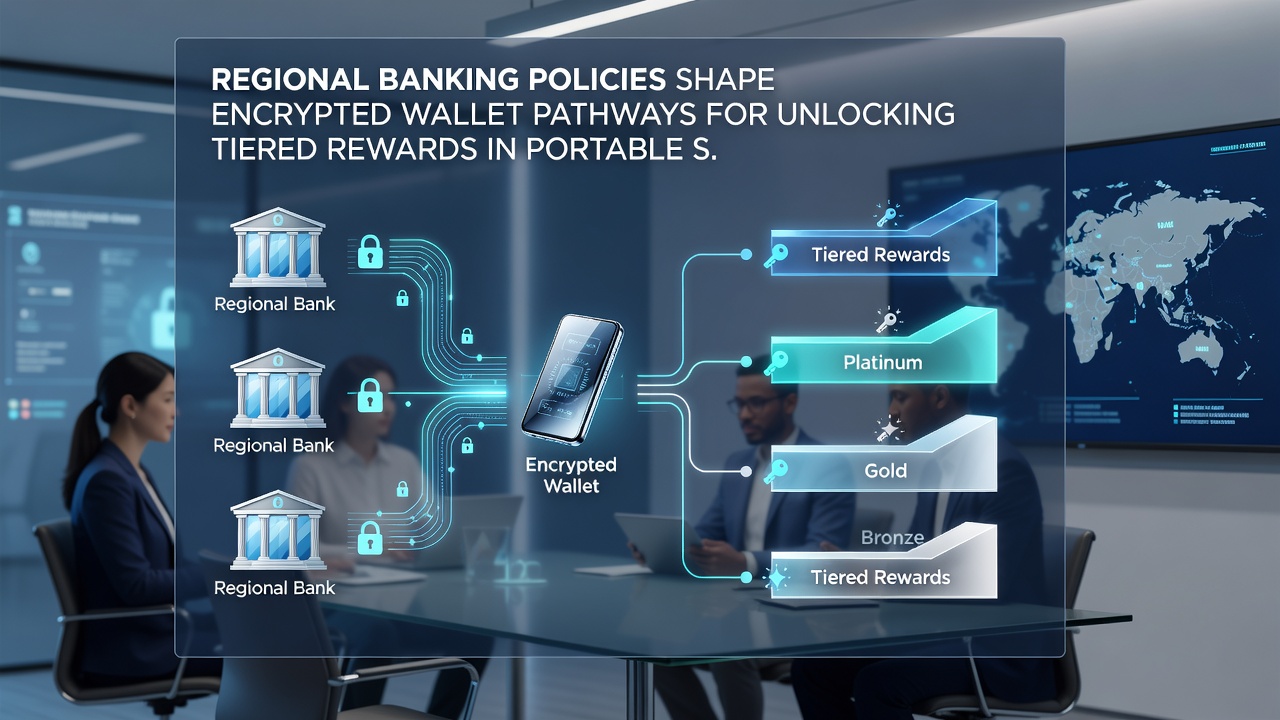
One documented implementation involves wallets that segment user balances into policy-compliant pools, each tagged for specific reward tiers. When a player reaches the threshold for the next tier, the wallet automatically routes the qualifying amount through an approved channel before crediting the enhanced reward. Figures from industry reports show that this segmentation method has increased successful tier advancements by 27 percent in regions that updated banking guidance during the first half of 2026.
Integration with Portable Slot Platforms
Mobile slot operators have responded by embedding wallet APIs directly into game clients, allowing seamless verification without exiting the application. These integrations rely on real-time policy databases that update whenever regional banking authorities issue new directives. In June 2026, several large operators reported deploying updated clients that pull live compliance data from multiple sources, ensuring that reward pathways remain functional even when policies shift between sessions.
Developers also introduced fallback mechanisms that switch encryption levels based on detected network conditions and jurisdiction signals. This flexibility prevents interruptions in reward unlocking when users travel between regions with differing banking requirements. Studies conducted by research groups specializing in digital transaction security confirm that such adaptive systems maintain consistent performance metrics across tested platforms.
Future Adjustments and Monitoring
Continued monitoring by regulatory bodies suggests that further refinements to wallet pathways will occur as banking policies evolve. Operators track these developments through industry associations that compile compliance data across jurisdictions, and the resulting reports help standardize encryption practices without compromising regional autonomy. Evidence gathered through these channels shows steady growth in the number of wallets certified for multi-tier reward delivery in portable slot environments.
Conclusion
Regional banking policies have established structured pathways within encrypted wallets that directly govern access to tiered rewards on mobile slot platforms. The adaptations observed through June 2026 demonstrate how compliance requirements translate into technical features that support consistent player progression across varied regulatory landscapes. Continued alignment between banking frameworks and gaming technology will determine the pace of future developments in these integrated systems.