Regional Licensing Frameworks Shape Introductory Rewards in Encrypted Virtual Networks
Freya Meier · Aug 19, 2026
Regional Licensing Frameworks Shape Introductory Rewards in Encrypted Virtual Networks
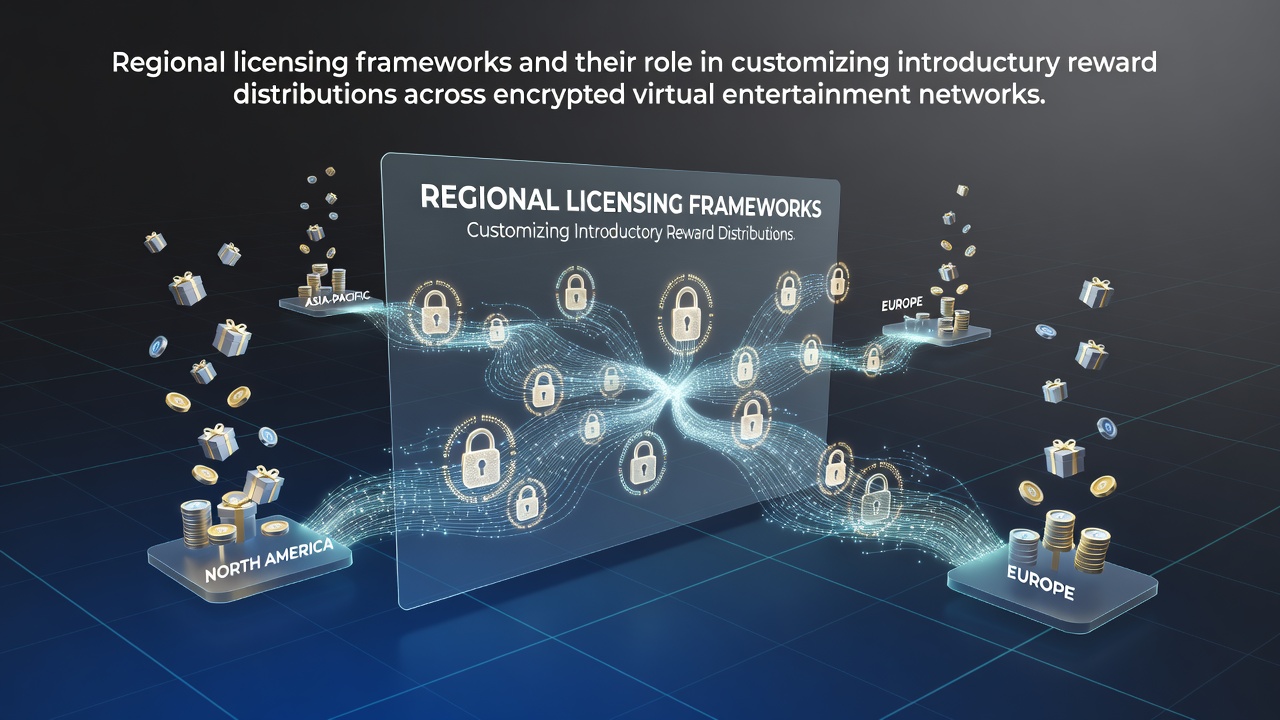
Regional licensing frameworks establish the boundaries within which operators distribute introductory rewards across encrypted virtual entertainment networks, and these rules vary sharply by jurisdiction while dictating everything from bonus percentages to eligibility criteria. Operators must align reward structures with local statutes that often reference player verification standards, maximum incentive values, and integration with encrypted wallet systems, which creates distinct customization patterns in different markets.
Licensing Requirements Drive Reward Customization
Authorities in each region impose specific conditions that operators translate directly into reward mechanics, and this process begins with license applications that detail proposed introductory distributions. In jurisdictions with strict consumer protection mandates, licensing bodies require wagering requirements tied to reward amounts while mandating transparent disclosure of terms within encrypted platform interfaces. Data from August 2026 shows several markets updated these conditions to address cross-border crypto transactions, forcing operators to recalibrate entry-level incentives accordingly.
Those who operate across multiple regions maintain separate reward matrices because one license might cap welcome bonuses at a fixed currency equivalent whereas another permits percentage-based offers scaled to deposit size. Research from the Nevada Gaming Control Board indicates that platforms licensed there must embed encryption protocols that verify reward claims before distribution, which adds layers to the introductory process compared with less prescriptive frameworks.
Encryption Standards Intersect with Regional Rules
Encrypted virtual entertainment networks rely on licensing conditions that specify security protocols for reward data, and these requirements influence how operators design distribution sequences. Jurisdictions often demand end-to-end encryption for player accounts holding introductory rewards, which ensures that bonus codes and eligibility checks occur within secure channels. Observers note that this integration prevents unauthorized access while satisfying audit trails demanded by licensing authorities.
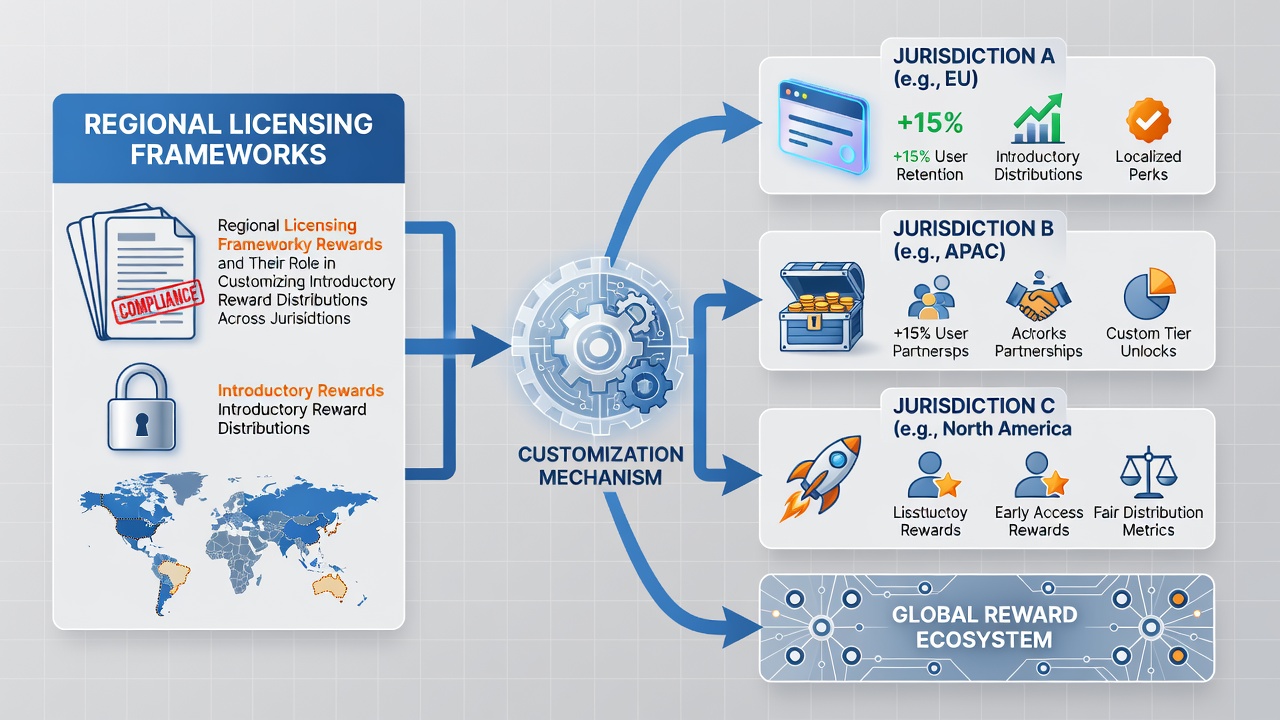
Operators in regions with advanced digital asset regulations adjust reward customization to incorporate wallet address validation steps, and these steps occur before any introductory credit appears in player balances. The Alcohol and Gaming Commission of Ontario published guidelines in 2026 that link encryption certification directly to reward approval processes, which means platforms cannot release customized bonuses until security audits confirm compliance.
Geographic Variations in Introductory Distributions
North American frameworks tend to emphasize deposit matching limits and time-bound eligibility windows, whereas European and Asian markets frequently incorporate game-type restrictions that limit which titles qualify for introductory rewards. Licensing conditions in these areas also address currency conversion for crypto users, requiring operators to display equivalent values in both fiat and encrypted tokens. Studies from the Malta Gaming Authority reveal that platforms adjust reward percentages based on these conversion rules to maintain parity across player locations.
Case examples from August 2026 highlight operators who modified entry-level incentive flows after license renewals in multiple territories, and each change reflected updated regional mandates on maximum reward exposure. One documented instance involved a network that introduced tiered bonuses scaled to verification level because the governing license required progressive compliance checks before full reward activation.
Compliance Mechanisms Shape Network Operations
Operators embed compliance checks into encrypted network architectures so that introductory reward distributions trigger only after license-specific conditions are met, and this automation reduces manual oversight while satisfying reporting obligations. Licensing bodies conduct periodic reviews that examine reward logs for adherence to caps and eligibility rules, which prompts platforms to refine their customization logic continuously. Industry reports from the European Gaming and Betting Association document how such reviews led to standardized encryption formats that support cross-jurisdictional reward tracking.
Those who manage these systems often coordinate with legal teams to interpret new licensing clauses, and the resulting adjustments appear in updated terms that govern reward eligibility across different player segments. The process ensures that encrypted virtual entertainment networks remain operational within each licensed territory without violating distribution limits.
Conclusion
Regional licensing frameworks continue to define the parameters for introductory reward distributions in encrypted virtual entertainment networks through targeted conditions on amounts, eligibility, and security integration. Data gathered through August 2026 demonstrates ongoing adaptation as operators align customized offers with evolving jurisdictional requirements while maintaining encryption standards that protect transaction integrity. These frameworks produce distinct reward profiles that reflect the regulatory landscape of each operating region.