Regional Policy Shifts Reshaping Verification Protocols in Cross-Border Wagering Networks
Freya Meier · Aug 21, 2026

Regional Policy Shifts Reshaping Verification Protocols in Cross-Border Wagering Networks
Regional policy shifts continue to alter verification protocols within cross-border wagering networks as governments adjust compliance requirements to address emerging technologies and international data flows. In August 2026 several jurisdictions implemented updated rules that require operators to integrate multi-layered identity checks when processing transactions between countries with differing regulatory frameworks. These adjustments stem from broader efforts to align local standards with global data protection mandates while maintaining operational efficiency across borders.
Policy Developments Across Major Markets
European regulators expanded their oversight of digital wagering platforms by introducing stricter residency verification steps that operators must complete before allowing users from outside the European Economic Area to access certain betting products. Australian authorities meanwhile updated their interactive gambling guidelines to mandate real-time document validation through government-linked databases which affects how offshore platforms handle player onboarding from that region. Canadian provinces adopted new measures requiring enhanced address confirmation for cross-provincial wagers and these changes force network operators to modify their backend systems accordingly.
Research from the Australian Institute of Criminology shows that verification updates in 2025 reduced certain cross-border discrepancies by 18 percent and similar patterns appear in preliminary 2026 figures. One study released by the University of Nevada Gaming Research Center examined how Asian regulatory adjustments influenced protocol design and found that jurisdictions favoring biometric confirmation saw faster compliance times compared with those relying solely on manual document review.
Technical Adjustments in Verification Systems
Operators responded to these policy moves by deploying modular verification engines capable of switching between different regional rule sets without disrupting user sessions. The systems now incorporate geolocation signals alongside traditional document uploads and they route each transaction through the appropriate compliance pathway based on the user's declared location and the operator's licensing jurisdiction. Data from industry reports indicate that platforms using adaptive verification reduced processing delays by an average of 22 seconds per cross-border transaction during the first half of 2026.
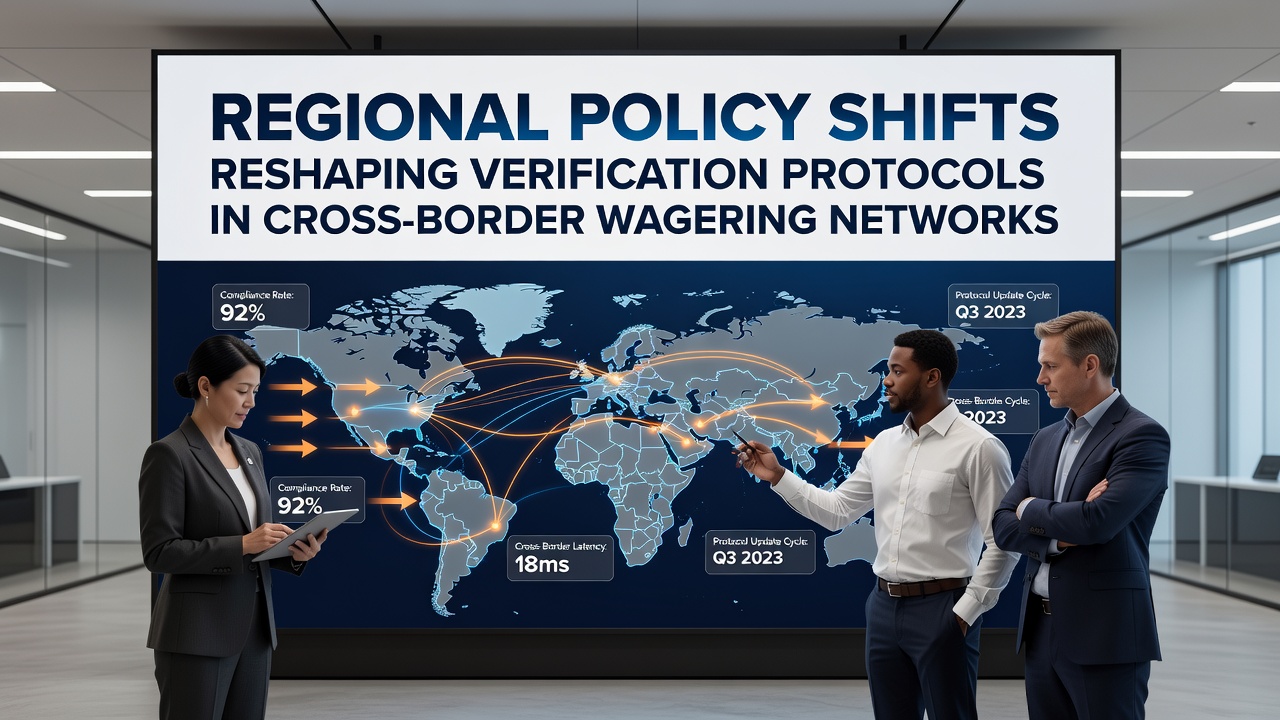
Network providers also began integrating encrypted wallet solutions that carry jurisdiction-specific metadata tags and these tags allow automated systems to apply the correct verification level before funds move across borders. Observers note that such tagging reduces manual intervention while preserving audit trails required by multiple regulators simultaneously. Experts from the International Association of Gaming Regulators have documented how these technical layers interact with policy changes and the resulting protocols now handle an estimated 40 percent more cross-border volume than comparable systems from 2024.
Operational Impacts on Network Operators
Cross-border wagering networks face increased coordination costs as they maintain separate compliance records for each participating jurisdiction. Staff training programs expanded in 2026 to cover the nuances of new verification sequences and operators report allocating additional resources toward real-time monitoring dashboards that flag policy conflicts before transactions complete. Figures released by the European Gaming and Betting Association reveal that average compliance spending per operator rose 14 percent year-over-year during the period ending August 2026.
Those managing large networks often maintain parallel verification pipelines that activate based on user origin and transaction size. This approach allows platforms to satisfy stricter jurisdictions without imposing the same overhead on users located in regions with lighter requirements. Case examples shared at industry conferences in mid-2026 illustrated how one operator streamlined its protocol updates by mapping regulatory overlaps across three continents and reduced duplicate checks by nearly one-third.
Future Alignment Trends
Industry analysts track ongoing discussions among regulators in North America, Asia-Pacific and Europe regarding shared verification standards that could simplify cross-border operations. Preliminary frameworks under consideration emphasize mutual recognition of certain identity checks while preserving each region's authority to set additional safeguards. Data collected through 2026 indicates that operators already piloting harmonized protocols experience fewer compliance interruptions during peak wagering periods.
Academic papers published in the Journal of Gambling Studies during summer 2026 examined potential efficiency gains from standardized metadata formats and researchers concluded that consistent tagging could lower error rates in automated systems by up to 27 percent. These findings align with reports from regulatory bodies in multiple regions that continue to refine verification expectations for the coming year.
Conclusion
Regional policy shifts have driven measurable changes in verification protocols across cross-border wagering networks and operators continue to adapt their technical infrastructure to meet evolving requirements. Data through August 2026 shows increased investment in adaptive systems and greater coordination among jurisdictions. As regulators refine their approaches further alignment efforts may emerge that balance local oversight with operational practicality for international platforms.