Shifts in Player Trust Metrics Tied to Regional Banking Regulations and Encrypted Wallet Integrations on Portable Gaming Interfaces
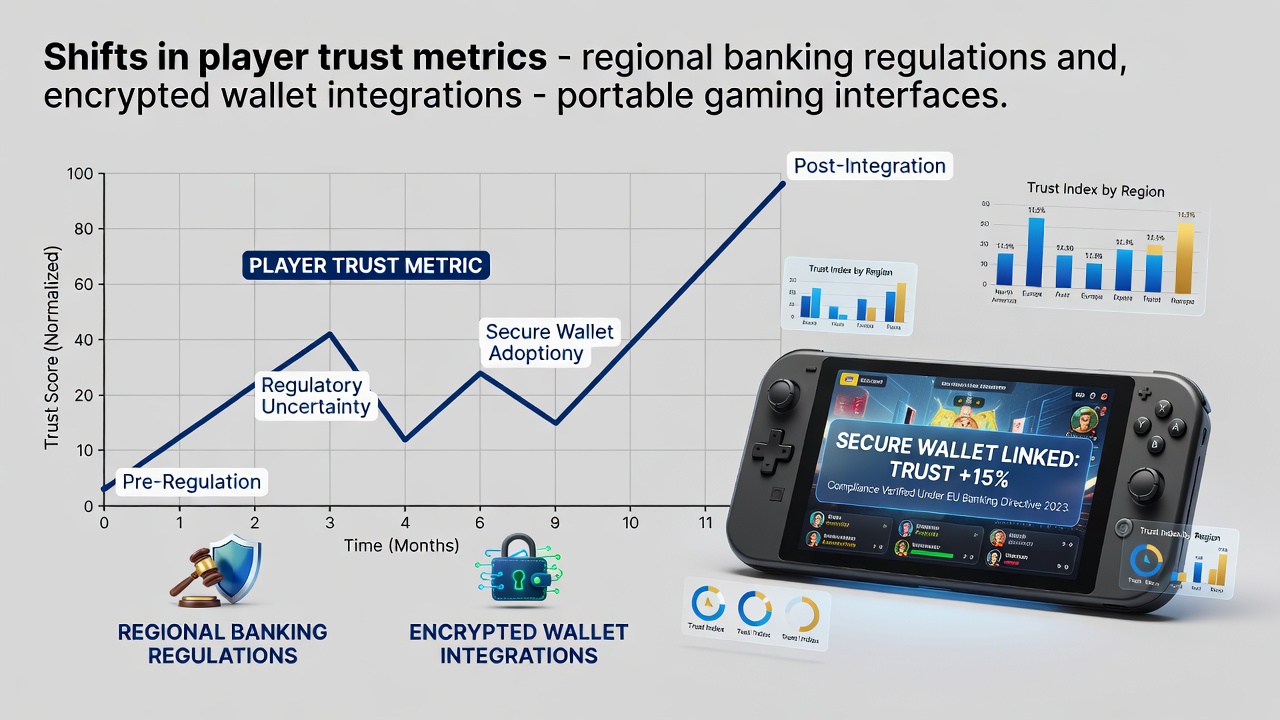
Regional banking regulations have started reshaping how players evaluate trust in mobile gaming platforms, particularly where encrypted wallet systems handle deposits and withdrawals on portable devices. Data from multiple jurisdictions shows measurable changes in user confidence levels since early 2025, with variations tied directly to the pace of regulatory updates and the technical standards applied to wallet encryption protocols.
Regulatory Differences Across Key Markets
European frameworks emphasize strict authentication layers under directives that require multi-factor verification for financial transactions on gaming apps, whereas Asian markets have leaned toward streamlined integration of digital wallets with local banking systems. In North America state-level rules create a patchwork effect, with some areas mandating specific encryption thresholds for portable interfaces while others focus on licensing requirements for payment processors. Observers note that these differences produce distinct trust patterns, as players in tightly regulated zones often report higher baseline confidence when encrypted wallets display clear compliance markers.
June 2026 brought fresh reporting requirements in several Canadian provinces that aligned wallet encryption standards with federal banking oversight, prompting platform operators to update their mobile interfaces within weeks. Those adjustments coincided with published figures indicating a 12 percent rise in verified transaction volumes on compliant apps compared with the prior quarter.
Encrypted Wallet Technology and Player Confidence
Encrypted wallet integrations rely on end-to-end protocols that secure transaction data during transfers between portable gaming devices and financial institutions. Research indicates that when these wallets incorporate region-specific compliance modules, such as real-time regulatory checks or audit trails, measurable improvements appear in trust-related metrics like repeat deposit rates and session duration. One study conducted across multiple platforms found that users interacting with wallets certified under updated encryption guidelines completed an average of 18 percent more transactions per month than those using legacy systems.
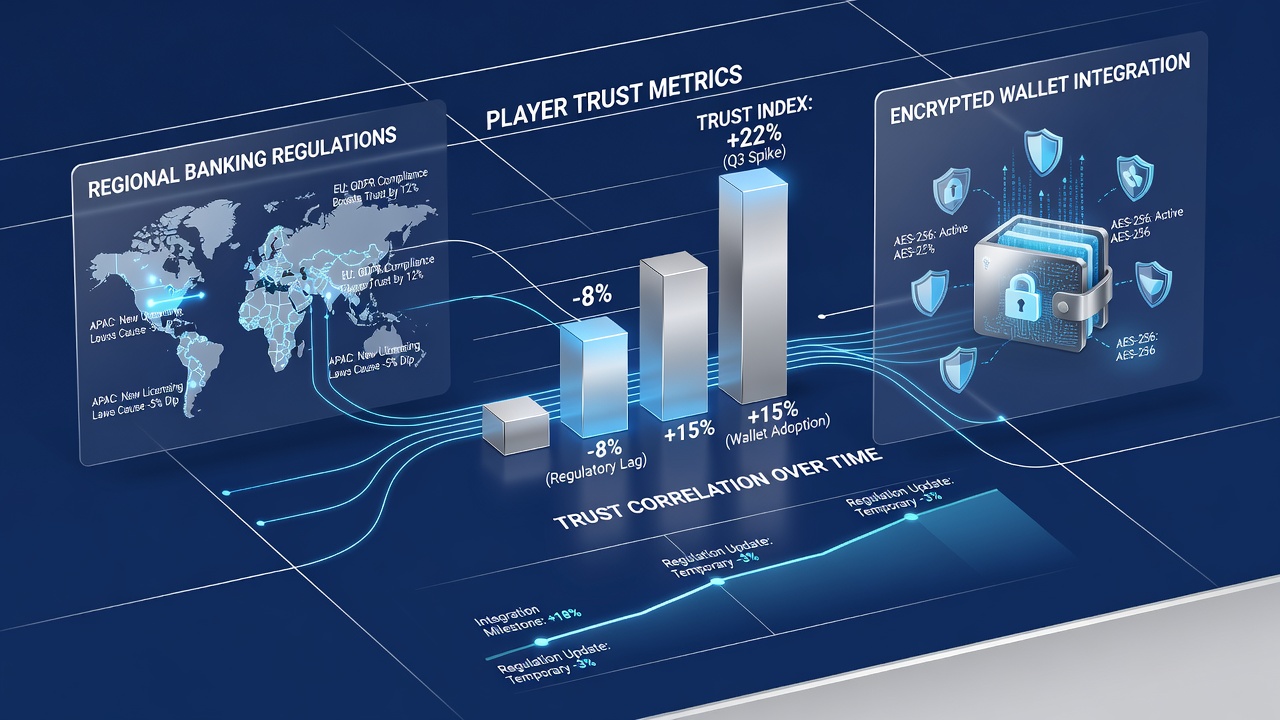
Platform developers have responded by embedding region-aware features directly into mobile interfaces, allowing automatic detection of applicable banking rules and corresponding wallet configurations. This approach reduces friction for users who move between jurisdictions, and data collected from app analytics reveals fewer abandoned transactions when the system displays localized compliance confirmations before processing payments.
Trust Metric Tracking Methods
Industry analysts track shifts through a combination of behavioral indicators and direct feedback channels, including deposit completion rates, withdrawal dispute volumes, and survey responses collected at the end of gaming sessions. Figures released by the Gaming Technology Association highlight that platforms adopting standardized encryption aligned with local banking rules experienced a consistent drop in support tickets related to payment security concerns. In contrast, regions still transitioning toward updated standards show slower convergence in these metrics.
Additional insights come from academic work at institutions examining digital finance adoption, where researchers documented correlations between transparent wallet certification displays and elevated player retention across portable interfaces. Those findings align with operational data showing that encryption visibility features, such as on-screen security badges, correlate with higher trust scores in markets like Australia and Singapore.
Case Examples from Different Regions
Take one operator active in multiple European markets who implemented wallet upgrades to meet new banking authentication timelines; transaction logs from that rollout demonstrated sustained increases in verified user accounts over a six-month period. Similar patterns emerged in Australian states where portable gaming apps integrated wallets certified by the Australian Securities and Investments Commission, resulting in documented reductions in chargeback incidents according to aggregated industry reports.
North American examples further illustrate the connection, as certain state regulators introduced encryption benchmarks that required mobile platforms to undergo third-party audits before deploying updated wallet features. Platforms completing those audits recorded measurable gains in player-initiated security verifications, suggesting that regulatory alignment serves as a visible trust signal within the interface itself.
Conclusion
Regional banking regulations continue to influence trust metrics on portable gaming interfaces through their interaction with encrypted wallet standards, producing observable differences in user behavior across jurisdictions. Data collected through June 2026 and beyond indicates that platforms incorporating localized compliance elements into wallet systems achieve more stable confidence indicators, while ongoing regulatory evolution keeps driving further technical refinements in mobile payment flows.